

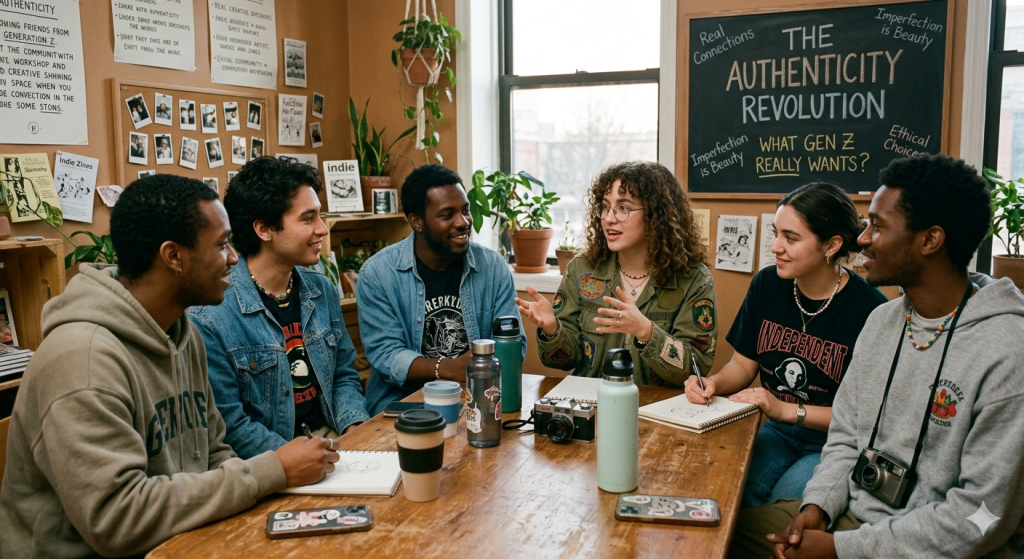
Generation Z isn’t just participating in the anti-influencer movement, they’re driving it. Born between the late 1990s and early 2010s, this cohort has fundamentally different expectations for brand relationships.
Trust is earned through relatability. Gen Z is 3.2 times more likely to trust a product recommendation from a micro-influencer (69%) than from a celebrity (22%). They value user-generated content over traditional marketing, with 61% leaning toward authentic peer-driven media. When asked about brand authenticity, Gen Z is 3.4 times more likely to support a brand that shows vulnerability or admits imperfections (59%) than one that always presents itself as perfect (17%).
This preference for authenticity manifests across purchasing behavior. A striking 90% of Gen Z consumers report that social media content influenced their purchase decisions. But the content they trust comes from “ordinary” voices, like friends, peers, and relatable micro-creators who share similar struggles and experiences.
Emotional connection drives loyalty. Research shows that emotionally engaged consumers are 82% more likely to remain loyal when making purchasing decisions. When a micro-influencer genuinely loves a product and shares it, their community trusts that sentiment, translating directly into brand loyalty. Consumers with strong emotional attachment to brands can be worth 40-60% more in lifetime value than those who are merely satisfied.
The takeaway? Gen Z doesn’t want to be sold to, they want to be part of a conversation with people they trust.
From Consumers to Creators: The Democratization of Influence
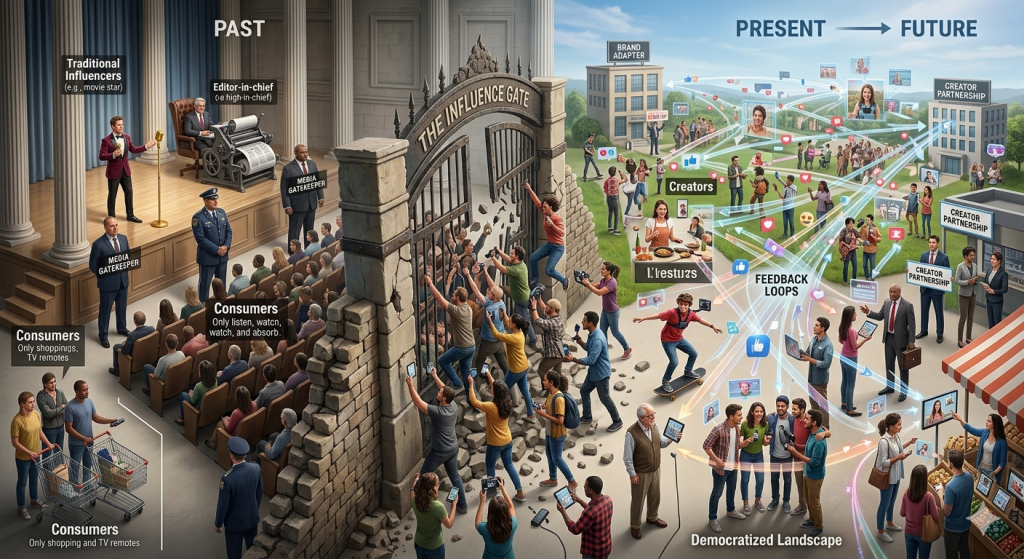
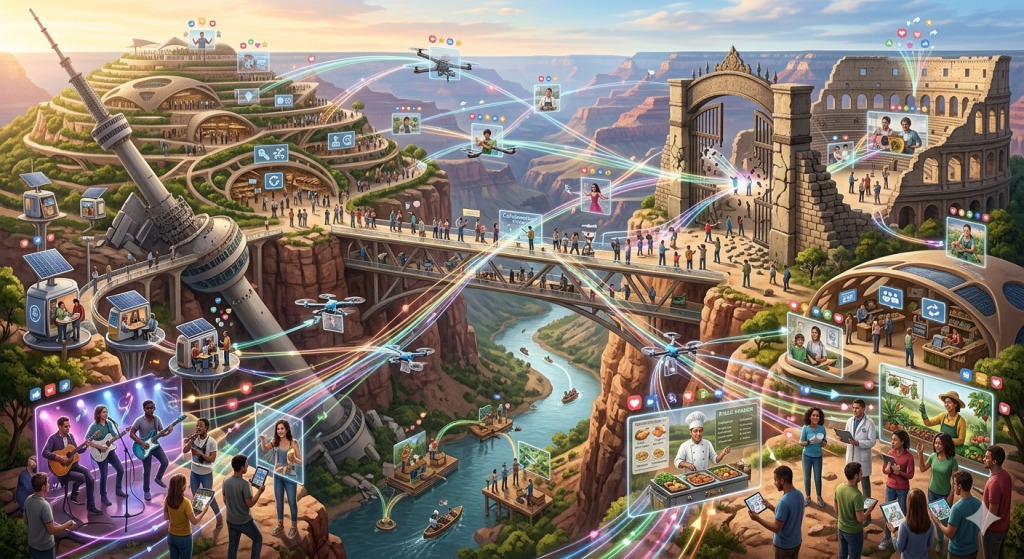
The most profound shift in the anti-influencer movement is that influence itself has been democratized. Thanks to platforms like TikTok, Instagram, and YouTube, anyone with a smartphone can become a micro-creator. You don’t need celebrity status or massive followings, you just need authenticity and a genuine connection with your audience.
Brand ambassador programs are evolving. Rather than hiring expensive celebrity spokespeople, forward-thinking brands are turning their own customers into ambassadors. Glossier built its cult following by making every customer feel like an influencer, offering small perks for posts and cultivating an “army of 500+ ambassadors” who are real users sharing makeup looks and skincare tips. Sephora’s #SephoraSquad campaign opens annual applications for influencers (often micro- and mid-tier) to join as brand ambassadors, generating consistent streams of authentic user-generated content.
These programs work because they’re based on genuine passion. Brand ambassadors aren’t forced to say positive things, they do it because they love the brand, and that authenticity shines through. According to Tint, 93% of marketers agree that consumers are more likely to trust content created by other consumers than content produced by brands themselves.
The creator economy is booming. Platforms are making it easier than ever to monetize everyday influence. In Bangladesh, innovative fintech solutions are emerging to reward this new breed of creators. Flex, the country’s first social currency prepaid card, exemplifies this shift. Rather than negotiating brand deals or chasing sponsorships, Flex users earn real cash automatically when they post about their favorite brands at partner merchants. The platform tracks social media tags and engagement, instantly rewarding users with cashback and exclusive offers.
This model transforms everyday moments into earning opportunities. Whether it’s a meal at a favorite café, a new outfit, or a product review, every authentic post becomes a potential income stream. Users don’t need thousands of followers or polished content, they just need to be themselves. The Flex Card acts as a dynamic wallet, passively monetizing the social moments users were already sharing.
It’s a revolutionary concept: turning social influence into tangible currency without the barriers of traditional influencer marketing. For the digitally savvy youth who value authenticity and peer recommendations, systems like Flex represent the logical evolution of the anti-influencer movement, empowering everyday people to capitalize on their genuine influence within their own communities.
Why Brands Are Going All-In on Everyday People
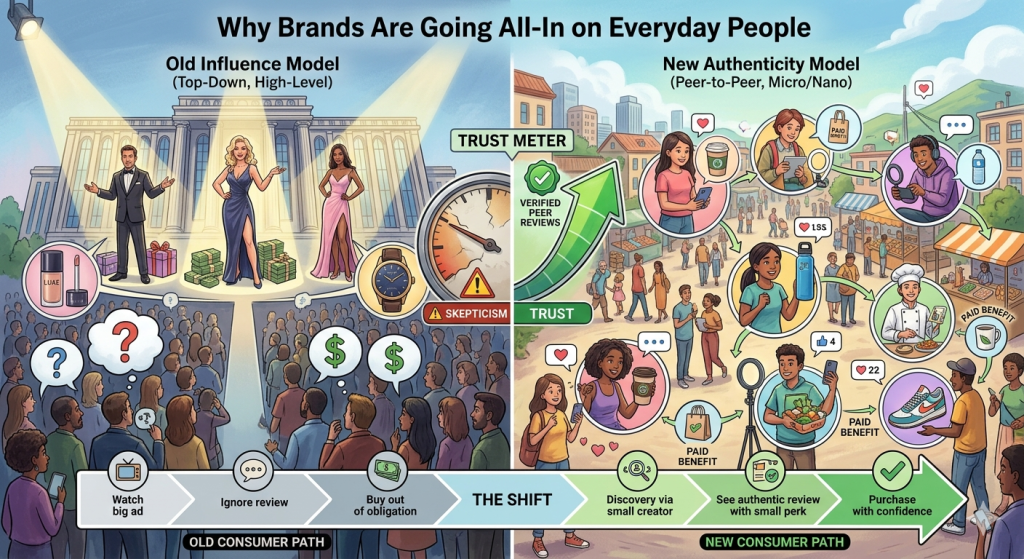
The shift toward everyday creators isn’t just about cost savings or engagement rates, it’s a strategic imperative for brands that want to survive in 2025 and beyond.
Platform algorithms favor niche engagement
Social media platforms like Instagram and TikTok increasingly boost content that sparks high engagement. A micro-influencer post that resonates with, say, a genuine product review that generates lots of comments, can snowball into virality, delivering reach beyond their follower count essentially for free. The playing field is leveling, and authentic content can travel further than glossy ads thanks to algorithmic boosts.
Consumer behavior has fundamentally changed
The 2024 Edelman Trust Report found that 74% of people trust “someone like me” more than technical experts, journalists, or government leaders. This preference for peer recommendations over authority figures is reshaping marketing strategies. Brands that collaborate with relatable everyday people tap into this trust dynamic, building credibility that celebrity endorsements can’t replicate.
Long-term partnerships drive deeper impact
Unlike one-off celebrity campaigns, brands are building sustained relationships with micro-creators. These ambassadors become integrated into brand communities, creating ongoing streams of content that feel organic rather than promotional. When everyday people consistently advocate for a brand over months or years, their followers perceive it as genuine loyalty, not a paycheck.
Scalability through networks
Rather than betting budgets on one or two macro stars, brands can distribute resources across hundreds of micro-creators to amplify results. Platforms and agencies now make it easier to recruit and manage large networks of micro-influencers simultaneously. This diversification turns many small impacts into massive collective reach while preserving the high engagement rates of each micro post.
Introducing the Flex app
Bangladesh’s First Social currency app: Flex, offers a valuable opportunity for the aspiring creators of Bangladesh. As a Flex user you can spend and earn at the same time, by utilizing your social media influence granting you a reward at the month end for every purchase you make
Join the Flex App
Download the Flex App from here (Android) & here (iOS)
Flex App Roadmap
- Sign Up
- Get Verified
- Minimum criteria to be verified:
- Facebook followers count – 2000 and Public profile or
- Instagram followers count – 500 and Public profile or
- Tiktok followers count – 2000 and Public Profile
Flex Action Process
- Select a Flex merchant of your choice to purchase from (Available in the app)
- Purchase the Product and click a picture/reel
- Upload the picture/reel on your social media.
- Submit a claim in the Flex app:
- Copy and paste the Social media post link
- Upload a picture of the Bill
- Enter merchant name
- Enter purchase amount.
- Submit your claim (Claim verification confirmation in 48 hours
- Based on your follower count you will get a cashback from that merchant the next month.
